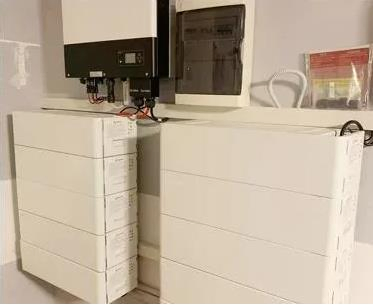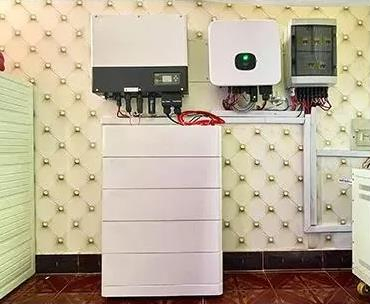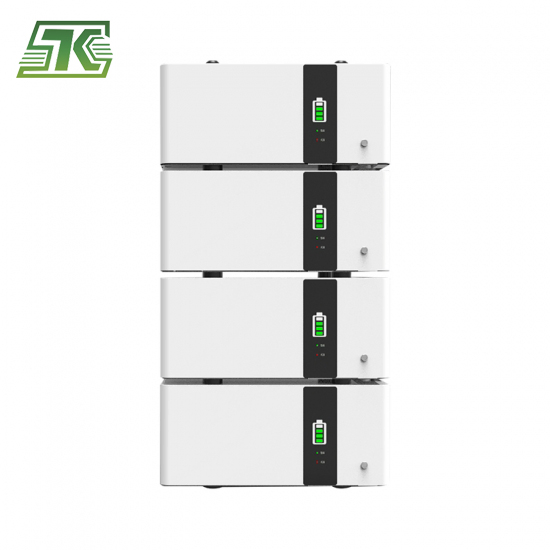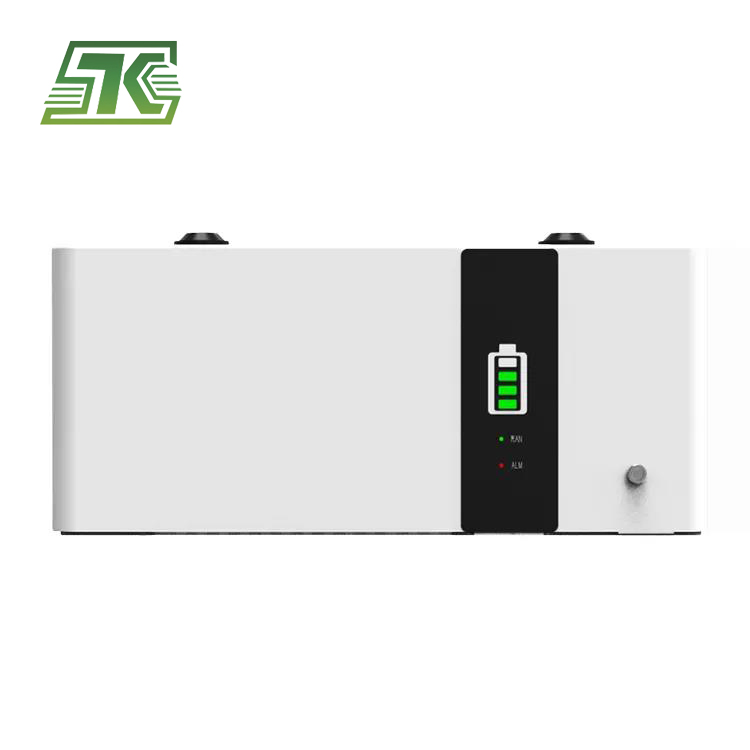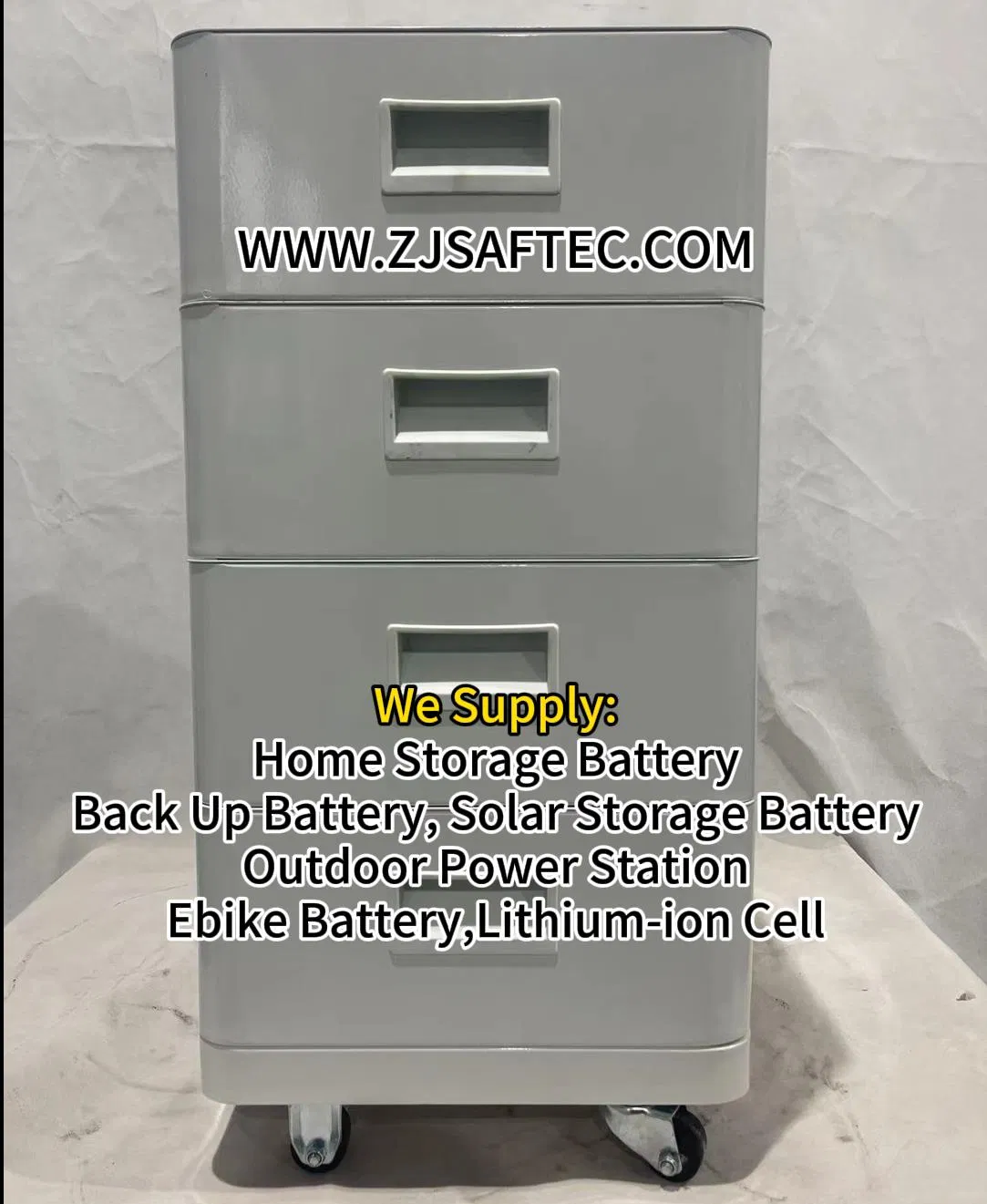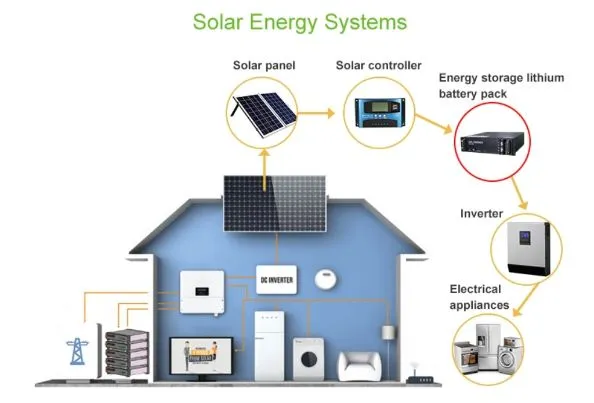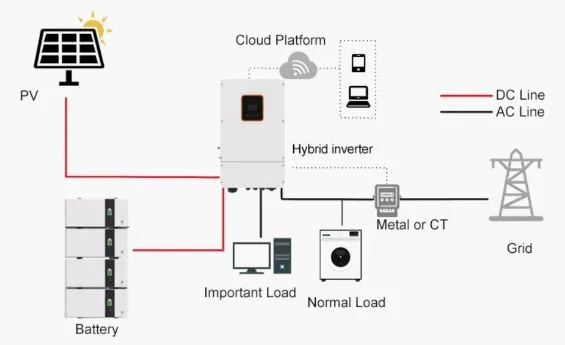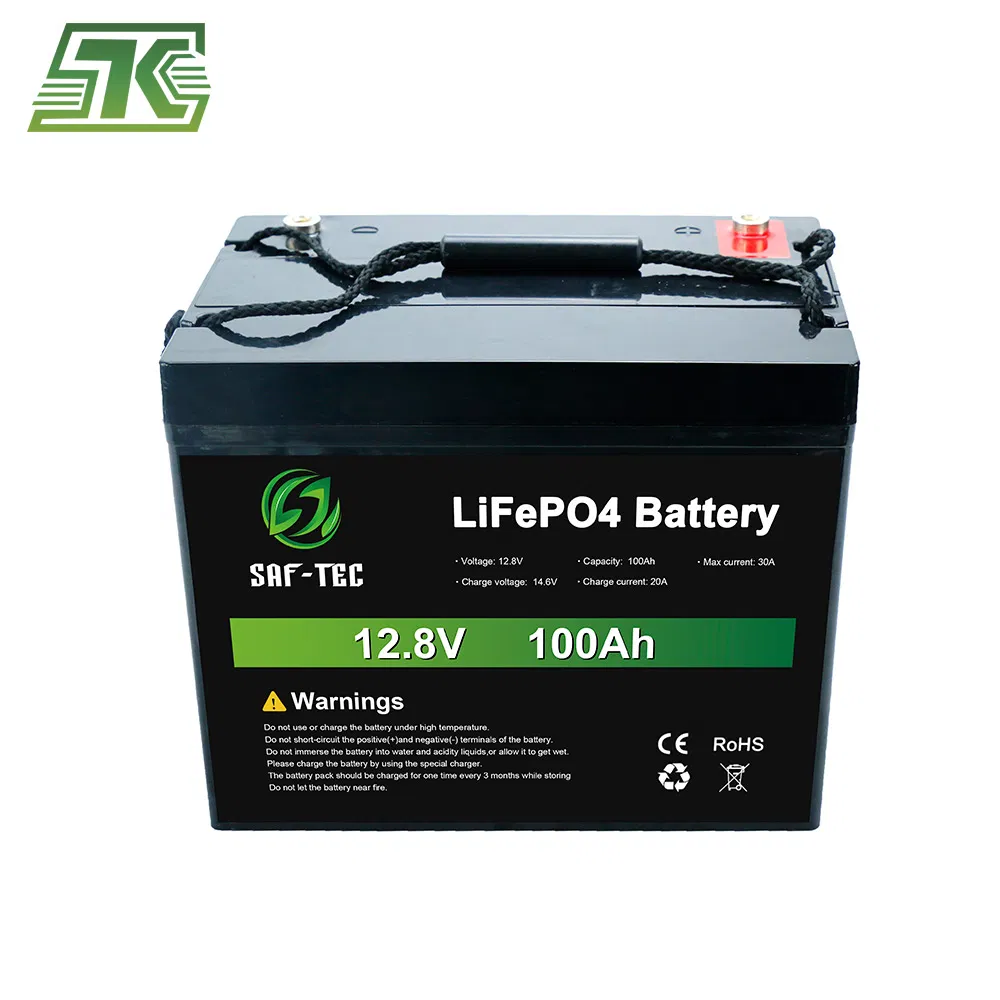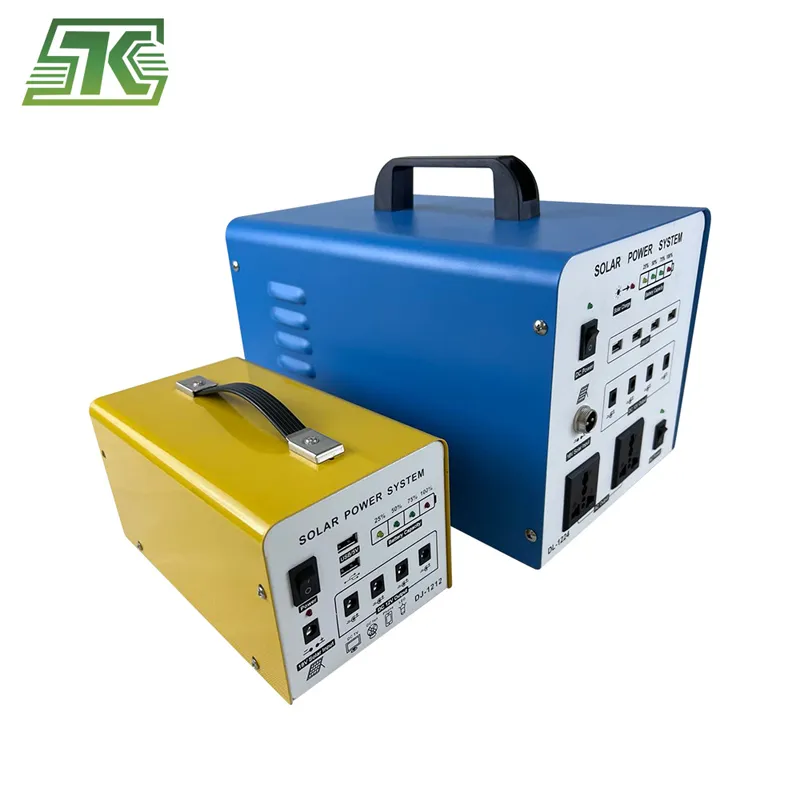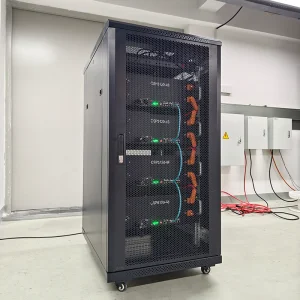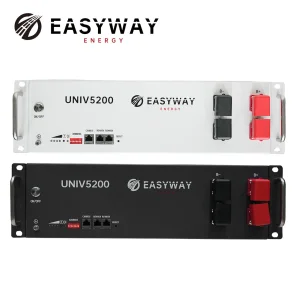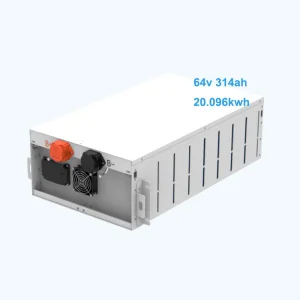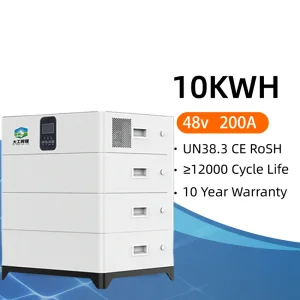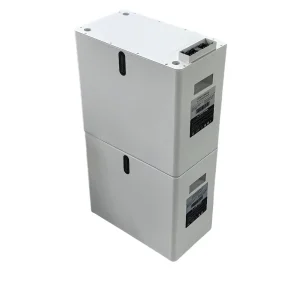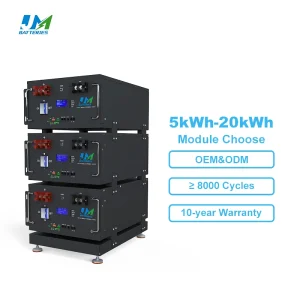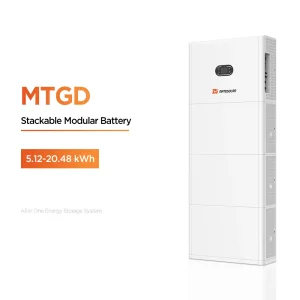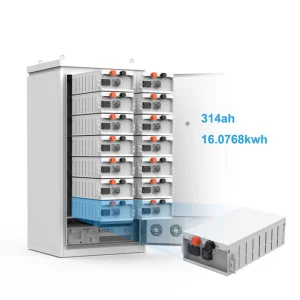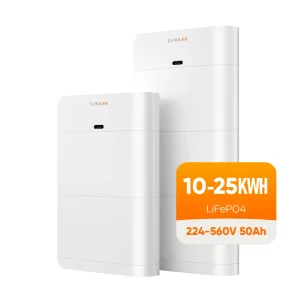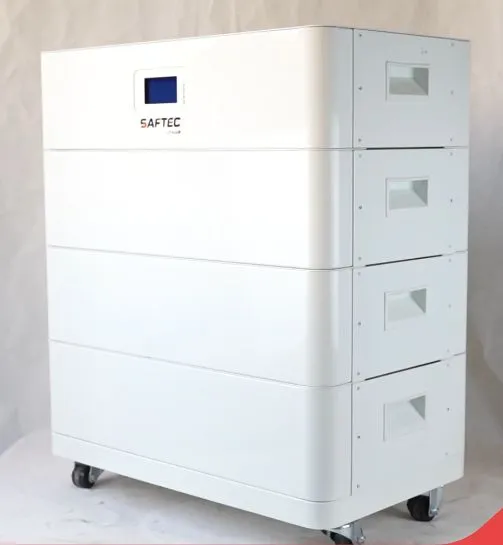
Home energy storage systems use the energy generated by rooftop solar installations and home wind turbines, as well as low-cost sources of electricity for social power systems to store rich electricity for peak use. It serves not only as an emergency power supply but also as a cost-saving solution for families.
As new energy moves into the civilian market, home energy storage systems become one of the essential devices, especially for homes with rooftop photovoltaic systems or small home wind turbine systems. These systems provide the most basic properties of emergency power supply, addressing power supply instability in various regions worldwide.
Application Scenarios
Beyond home storage, our 48V lithium-ion batteries are ideal for:
Distributed Energy, Solar Energy Storage, Grid Energy Storage, Photovoltaic Systems, Building Energy Management, Communication Base Stations, Data Centers, AGV Systems, and Electric Forklifts.

Frequently Asked Questions
Q1: What is the expected lifespan of the home energy storage system?
The system is designed for high durability and maintenance-free operation, offering a service life of at least 10 years under standard conditions.
Q2: Can I increase the storage capacity later?
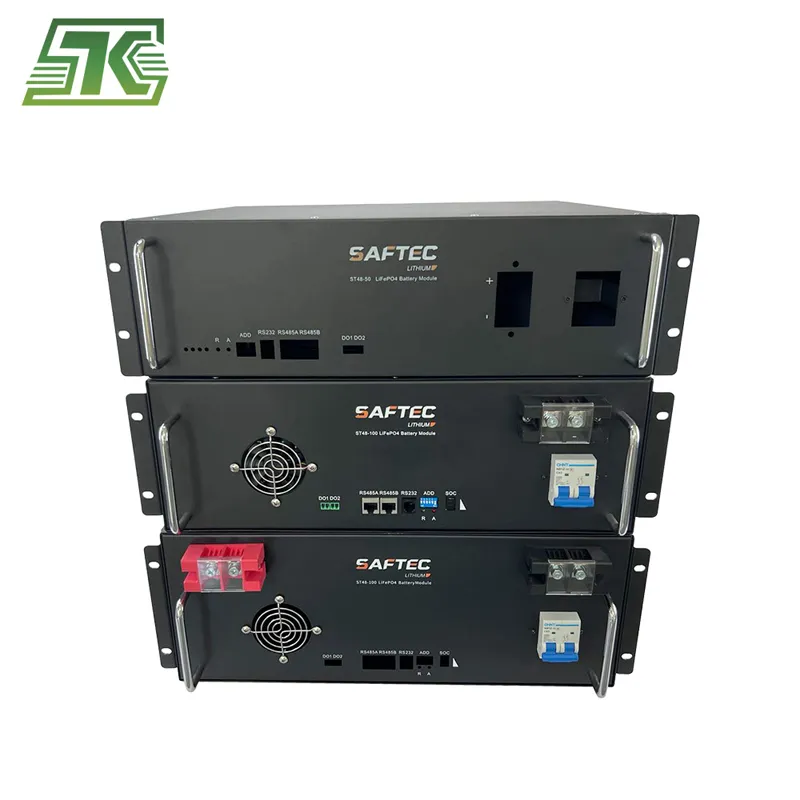
Yes, the modular design allows for easy scalability. You can connect up to 10 battery packs in parallel to increase your total energy capacity.
Q3: How does the BMS ensure battery safety?
The integrated Battery Management System (BMS) monitors cell voltage and temperature in real-time, providing 3-level protection, automatic alarms, and cell balancing to prevent overcharging or overheating.
Q4: Is this system compatible with existing solar inverters?
Absolutely. The system supports multiple communication protocols (RS232, RS485, CAN) and is designed to work seamlessly with most existing solar inverters and energy management devices.
Q5: What kind of maintenance is required?
Our lithium-ion storage systems are maintenance-free. Unlike traditional lead-acid batteries, they do not require water refills or regular manual checks, significantly reducing management costs.
Q6: What certifications do these batteries hold?
The batteries are fully certified with CE, ROHS, UN38.3, SGS, and ISO standards, ensuring they meet international safety and quality requirements for transport and residential use.
 UX Power