🛡️
Safety: LiFePO4 batteries are known for their excellent thermal and chemical stability. They are less prone to overheating and thermal runaway, making them a safer choice compared to some other lithium-ion chemistries.
🔋
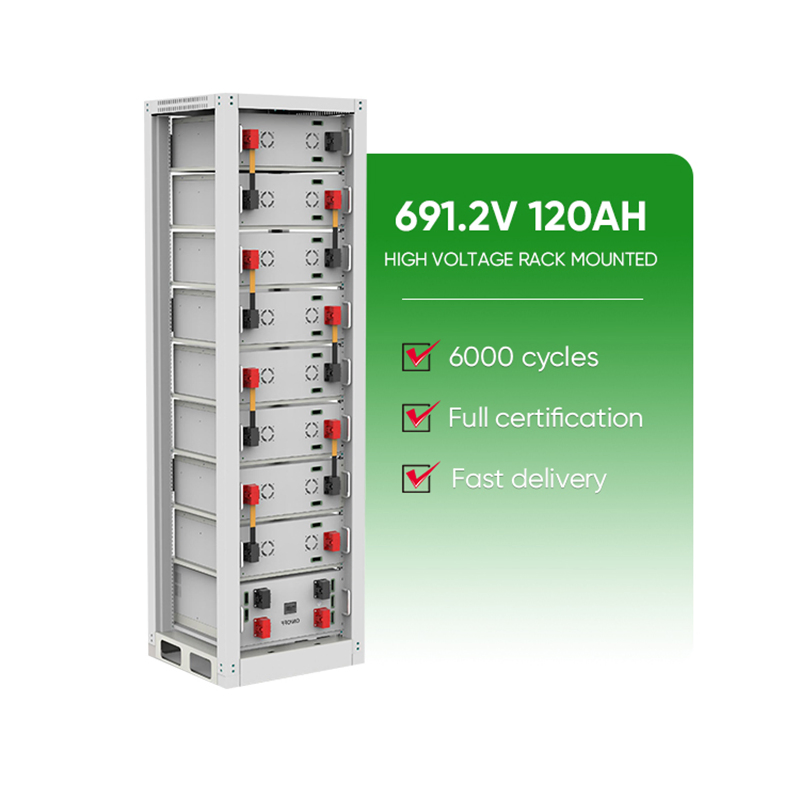
Long Cycle Life: LiFePO4 batteries have a long cycle life, which means they can be charged and discharged many times without significant degradation in performance. This makes them suitable for applications where longevity is important.
⚡
Fast Charging: High-voltage LiFePO4 batteries can support relatively fast charging, which can be useful in applications where rapid replenishment of energy is required.
🌡️
Wide Temperature Range: They can operate effectively over a wide temperature range, making them suitable for both high and low-temperature environments.
❓Frequently Asked Questions
What are the main safety advantages of LiFePO4 batteries?
LiFePO4 batteries offer superior thermal and chemical stability, significantly reducing the risk of overheating and thermal runaway compared to other lithium-ion technologies.
How long can I expect this battery system to last?
The system is designed for a long operational life of over 15 years, thanks to the high cycle life of the LiFePO4 chemistry which resists performance degradation over time.
Does the system support fast charging?
Yes, these high-voltage battery systems are engineered to support relatively fast charging, allowing for rapid energy replenishment when needed.
Can this battery be used in extreme temperatures?
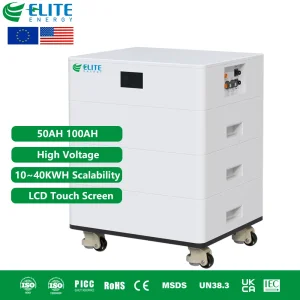
The battery operates effectively across a wide temperature range, with a discharge temperature range of -20°C to +50°C and storage capabilities from -20°C to 60°C.
What communication protocols are supported?
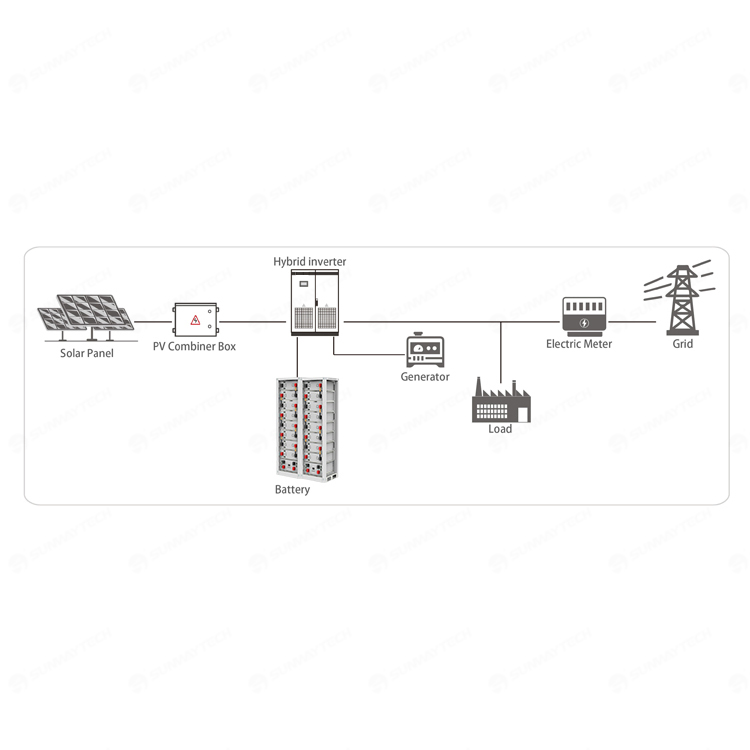
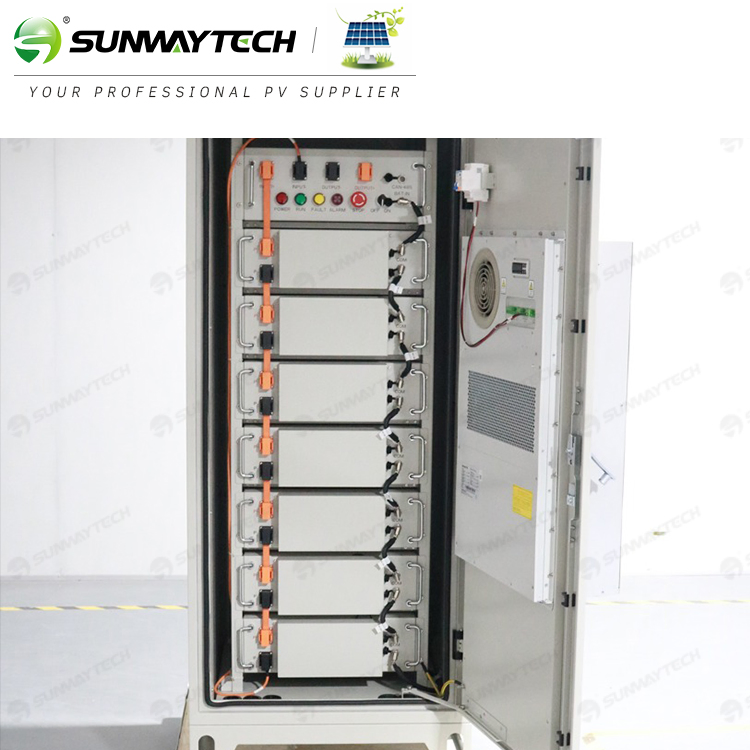
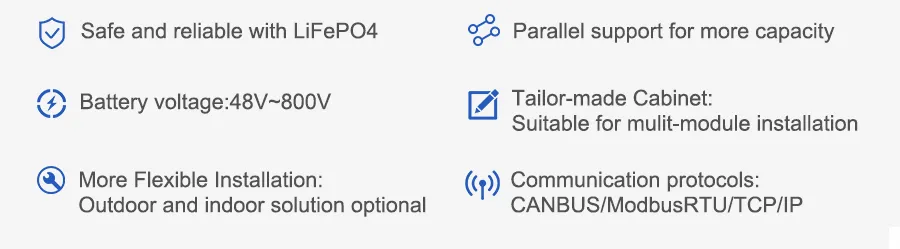
The system supports multiple communication interfaces including CANBUS, Modbus RTU, and TCP/IP for seamless integration with various inverters and monitoring systems.
What certifications does the product hold?
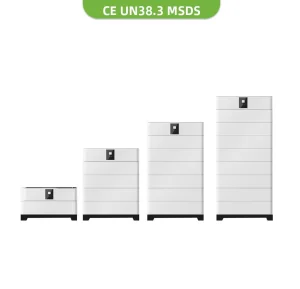
The product is fully certified with IEC62619, CE, and UN38.3, ensuring it meets international safety and transport standards.
 UX Power