10 Key Factors Affecting Battery Lifespan in Energy Systems?

Time:2026-05-09 Author:Mason
0%

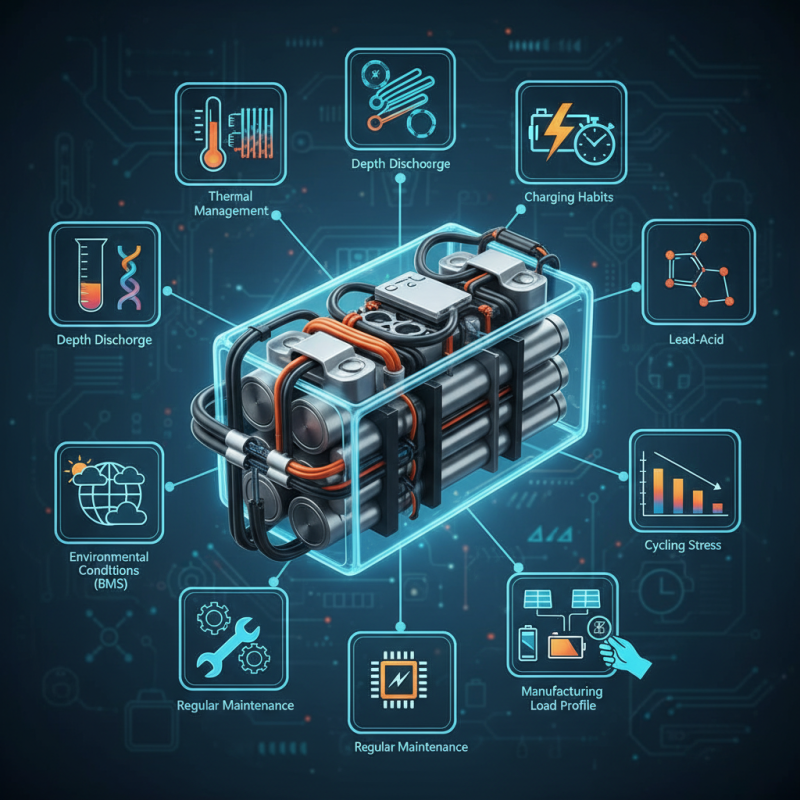
Understanding what affects battery lifespan in energy systems is crucial for optimizing performance. Various factors can significantly impact how long a battery can function effectively. Thermal management, for instance, plays a vital role. High temperatures can accelerate degradation. Similarly, the depth of discharge directly influences the longevity of batteries. If a battery is often fully drained, its lifespan diminishes.

Charging habits are equally important. Fast charging may provide convenience but can lead to shorter battery life. The chemistry of the battery also matters. Lithium-ion batteries generally have longer lifespans compared to lead-acid types. Additionally, regular maintenance can enhance longevity through proper management of charge cycles.

While understanding these factors, many overlook environmental conditions. Humidity and temperature fluctuations can have unforeseen effects. It’s essential to evaluate these elements closely. Assessing how different conditions affect battery longevity helps in making informed decisions. A proactive approach can lead to better energy system performance and economic benefits. Balancing all these components must be a continuous effort.
10 Key Factors Affecting Battery Lifespan in Energy Systems?

Factors Influencing Battery Lifespan in Energy Storage Systems

Battery lifespan in energy storage systems greatly influences efficiency and performance. Optimal temperature conditions play a crucial role. High heat can damage batteries, reducing their capacity. It is vital to maintain moderate temperatures to extend usage life. Cold environments also present challenges. They can slow down chemical reactions, affecting power delivery. Understanding and managing these temperature factors can lead to improved performance.

Charging practices impact battery health significantly. Frequent overcharging can lead to degradation over time. Implementing smart charging techniques can mitigate this issue. Additionally, depth of discharge affects longevity. Regularly draining batteries too low can shorten their lifespan dramatically. Balancing charge cycles is essential for maintaining optimal performance.

Users should also consider battery chemistry. Different chemistries have unique characteristics. They manifest varied rates of degradation and cycle life. Awareness of these factors enhances decision-making. Monitoring and regular maintenance are crucial. A proactive approach can reveal potential issues early. These steps contribute to better battery lifespan and overall efficiency in energy systems.

10 Key Factors Affecting Battery Lifespan in Energy Systems

Factor Description Impact on Lifespan Typical Range
Temperature Operating temperature affects chemical reactions and cell performance. High temperatures expedite wear. -20°C to 60°C
Charge Cycles Number of full discharge and charge cycles the battery can complete. More cycles reduce lifespan. 300 to 3000 cycles
Discharge Depth The extent to which a battery is depleted before being recharged. Deeper discharges shorten lifespan. 20% to 80%
Storage Conditions Environmental conditions during battery storage affect aging. Poor conditions accelerate degradation. Relative humidity 30%-50%
Charging Speed Rate at which batteries are charged impacts wear and tear. Faster charging can lead to reduced lifespan. 0.5C to 3C
Battery Chemistry Different chemistries have varying lifespans and performance. Some chemistries degrade slower than others. Lithium-ion, Lead-acid, etc.
Usage Patterns How devices utilize batteries influences lifespan. Consistent use vs. infrequent use. Varies widely
Maintenance Practices Regular monitoring and care can prolong lifespan. Inadequate maintenance hastens aging. Dependent on practices
Quality of Components Quality materials and components directly influence durability. Better quality extends lifespan. High to low quality

Impact of Temperature on Battery Performance and Longevity

Temperature plays a crucial role in battery performance and longevity. High temperatures can increase the rate of chemical reactions within the battery. This can lead to faster degradation. Batteries exposed to heat often show reduced capacity over time. In fact, for every 10°C increase, the lifespan can decrease significantly.

On the other hand, cold temperatures also have an adverse effect. When a battery is cold, its chemical reactions slow down. This can result in lower energy output and reduced efficiency. Users may notice diminished performance in frigid climates. It’s important to consider these factors when designing systems that utilize batteries.

Both extremes highlight the need for effective thermal management. Battery systems should be designed with insulation and cooling features. This reduces the negative impact of temperature fluctuations. Regular monitoring of battery temperature also provides valuable data. Understanding these dynamics is key to maximizing battery lifespan.

The Role of Charge and Discharge Cycles in Battery Degradation

Charge and discharge cycles play a crucial role in battery degradation. Each cycle impacts the internal chemistry of the battery. Over time, repeated cycling reduces the battery's capacity to hold a charge. According to a report by the National Renewable Energy Laboratory, batteries can lose about 20% of their capacity after just 500 cycles. This means that after a few years of regular use, the performance can decline significantly.

Temperature also affects this cycle. High temperatures can accelerate degradation, leading to faster capacity loss. Even at moderate heat, the chemical reactions within batteries change, affecting longevity. Research indicates that maintaining optimal temperature ranges can extend lifespan by up to 30%. However, many users do not monitor storage conditions or usage, leading to premature failures. Regular assessments of cycle performance could mitigate unforeseen issues.

The depth of discharge is another critical aspect. Shallow discharges with partial recharge help maintain battery health. Conversely, fully discharging a battery often results in quicker wear. Industry data suggest that limiting deep discharges to less than 20% can double a battery's lifespan compared to regular deep cycling. Users must rethink their charging habits to harness maximum efficiency from their systems.

Impact of Charge and Discharge Cycles on Battery Lifespan

Effects of Battery Chemistry on Lifespan and Efficiency

Battery chemistry plays a crucial role in determining the lifespan and efficiency of energy systems. Lithium-ion batteries are the most commonly used type due to their high energy density and efficiency. However, they are sensitive to temperature fluctuations. Extreme heat can lead to accelerated degradation, reducing battery life significantly. Similarly, exposure to very low temperatures can hinder performance and capacity.

Lead-acid batteries are another popular choice but have different characteristics. They are more robust in various environmental conditions but typically have a shorter lifespan. Cycling them too deeply can cause sulfation, a process that drastically shortens their effectiveness. Additionally, the state of charge impacts different battery chemistries. Maintaining an optimal charge helps prolong battery life. Yet, many systems fail to monitor this consistently.

Overall, understanding battery chemistry is essential for maximizing performance and longevity. Innovations are ongoing, and emerging chemistries hold promise for improved efficiency. There's still much to learn and refine within this field. It requires careful consideration and informed decisions, reflecting the complexity of battery technology.

Importance of Maintenance Practices in Extending Battery Life

Maintaining batteries in energy systems is crucial for extending their lifespan. Research indicates that improper maintenance can reduce battery life by up to 50%. Regular inspections and monitoring are essential. A notable study from the Electric Power Research Institute (EPRI) highlights that batteries maintained with proactive strategies last significantly longer.


Environmental conditions also play a role in battery longevity. High temperatures can accelerate degradation, while cold can impact performance. The International Energy Agency (IEA) emphasizes the need for optimal storage environments. Moreover, battery management systems (BMS) are important. They monitor state-of-charge and health, ensuring optimal operating conditions. This technology can help prevent overcharging, a common mistake that shortens battery life.


User practices matter too. Overuse of batteries without adequate rest can lead to quicker decline. A survey from the Battery University reveals that 70% of users do not allow sufficient downtime. It’s critical to encourage users to understand these factors. Inadequate maintenance and poor user behavior can lead to significant financial loss and waste. Fostering better habits and awareness is key.

FAQS

: What factors influence battery lifespan in energy storage systems?

: Temperature conditions, charging practices, and battery chemistry significantly affect battery lifespan.

How does temperature affect battery performance?

Extreme heat can damage batteries, while cold temperatures slow chemical reactions, impacting power delivery.

What are the risks of overcharging batteries?

Frequent overcharging leads to degradation over time, shortening overall battery health.

Why is depth of discharge important for battery longevity?

Draining batteries too low regularly can dramatically shorten their lifespan and efficiency.

How does battery chemistry affect lifespan?

Different chemistries have unique degradation rates. Awareness enhances decision-making for battery use.

What maintenance practices can help extend battery life?

Regular monitoring and proactive maintenance can reveal potential issues early, improving longevity.

Are lithium-ion batteries sensitive to environmental conditions?

Yes, lithium-ion batteries are especially sensitive to temperature fluctuations, impacting their performance.

Can lead-acid batteries be cycled deeply without consequences?

Cycling lead-acid batteries too deeply leads to sulfation, significantly reducing their effectiveness.

How often should users check battery charge levels?

Users should consistently monitor charge levels to maintain optimal conditions for battery health.

Is there ongoing innovation in battery technology?

Yes, ongoing innovations in battery chemistry hold promise for improved efficiency and performance.

Conclusion

Battery lifespan in energy systems is influenced by several key factors that determine their overall performance and longevity. Primarily, temperature plays a significant role; extreme heat or cold can accelerate degradation, adversely affecting efficiency. Additionally, the frequency and depth of charge and discharge cycles contribute to battery wear, highlighting the importance of understanding how usage patterns affect lifespan. Different battery chemistries also exhibit unique characteristics that impact their longevity and efficiency, making it crucial to select the right type for specific applications.

Furthermore, regular maintenance practices are essential in prolonging battery life. By ensuring optimal operating conditions and monitoring performance, users can mitigate factors that often lead to early failure. Understanding what affects battery lifespan in energy systems can significantly improve the reliability and efficiency of energy storage solutions, allowing for enhanced performance over time.

Mason

Mason

Mason is a seasoned marketing professional with a deep expertise in the company's offerings and a passion for driving brand awareness. With a strong background in digital marketing strategies, he has an innate ability to connect with diverse audiences and effectively communicate product benefits.......