Modern infrastructure is becoming more electric, digital, and weather-sensitive. Data centers, hospitals, transit systems, factories, and water networks need power that remains available during sudden disruptions. Energy storage helps bridge that gap. It stores electricity during low-demand periods and releases it when grids become constrained. Sometimes, that simple function prevents a costly shutdown.
The International Energy Agency reported in Batteries and Secure Energy Transitions that global battery storage additions reached approximately 42 gigawatts in 2023. The agency also indicates that storage capacity must expand dramatically this decade to support clean-energy growth and grid flexibility. Meanwhile, IRENA recorded about 473 gigawatts of new renewable capacity worldwide in 2023. More solar and wind capacity creates greater value for flexible storage. Energy Storage Solutions For Modern Infrastructure therefore involve more than batteries alone. They include thermal storage, pumped hydropower, compressed air, software controls, and demand-response systems.
A practical example is a hospital with rooftop solar, battery cabinets, and critical-load controls. During a grid outage, elevators may stop, but operating rooms can remain powered. That distinction matters. The U.S. Department of Energy identifies long-duration storage as important for reliability across hours, days, and longer periods. Yet storage is not a universal cure. Costs, fire safety, recycling, interconnection delays, and mineral supply require careful evaluation. Industry forecasts can also appear more certain than real projects deserve. Engineers should test local demand profiles, outage histories, climate conditions, and lifecycle impacts before selecting technology. Reliable infrastructure needs measurable performance, not impressive promises.
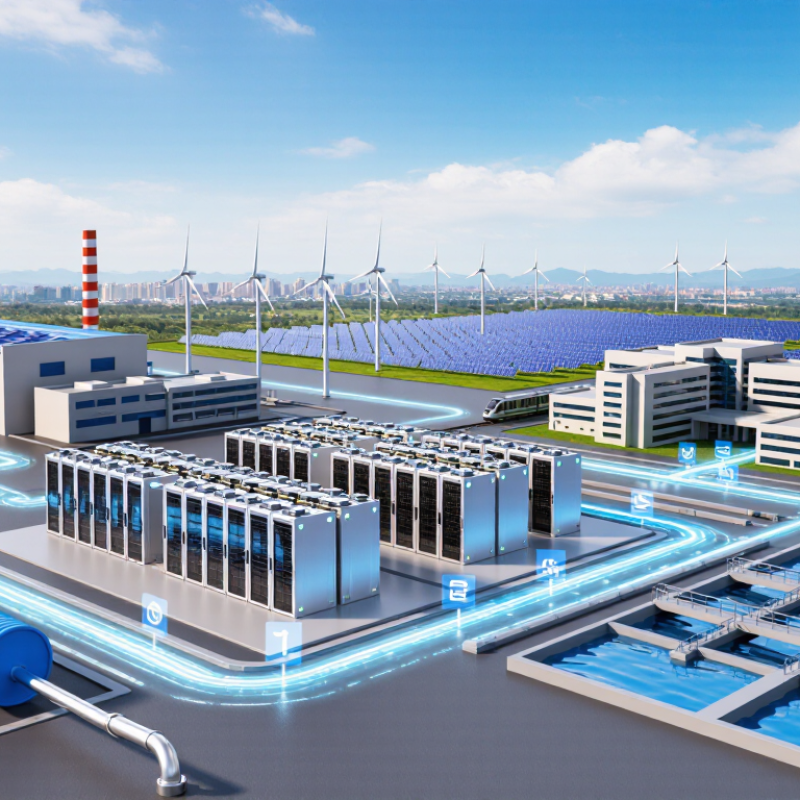
Energy storage is a system that captures energy and releases it when infrastructure needs support. Its role extends beyond holding electricity. It helps balance supply, demand, voltage, and system frequency across changing conditions.
Modern infrastructure uses batteries, pumped water, thermal storage, and compressed air systems. Each option suits a different duration, location, and operating requirement. A battery can respond within milliseconds, while pumped storage may support the grid for many hours. This flexibility becomes valuable when solar or wind output changes quickly.
Storage can also reduce peak demand, protect critical facilities, and keep essential services operating during outages. However, storage is not a perfect backup. Capacity declines over time, efficiency losses occur, and poor sizing can increase costs.
A reliable design must examine fire safety, maintenance access, temperature, cycling patterns, and end-of-life handling. Field assessments often reveal a simple problem: expected performance differs from real operating conditions.
Tips: Define the required power and duration before selecting equipment. Check round-trip efficiency, safety controls, warranty terms, and local operating rules. Leave space for monitoring and future expansion.
Good planning connects storage with the wider infrastructure network. Engineers should model seasonal demand, connection limits, and failure scenarios. They should also compare lifecycle impacts, not only installation prices.
A technically impressive system may still perform poorly if operators lack training or clear procedures. Some assumptions will be wrong. Regular testing and honest performance reviews help correct them.
Energy storage allows modern infrastructure to hold electricity when supply exceeds demand and release it during pressure periods. The right system depends on duration, location, safety, and operating conditions.
Lithium-ion batteries provide fast response for frequency control, backup power, and daily load shifting. Battery cells store energy through reversible chemical reactions, while inverters convert direct current into usable alternating current. Thermal management matters. A poorly cooled container can lose efficiency and face serious safety risks.
Pumped hydropower stores energy by moving water to an elevated reservoir. It can discharge for many hours, but it needs suitable terrain, water access, and extensive construction. Flow batteries use liquid electrolytes in separate tanks, making longer-duration storage practical and reducing some degradation concerns. Their pumps and tanks add complexity.
Other systems serve different needs. Compressed-air storage uses electricity to pressurize air underground or inside large vessels. Thermal storage captures heat in materials such as molten salts, then releases it for industrial processes or electricity generation. Hydrogen can store energy for longer periods, although conversion losses remain significant.
No technology wins every site. A design that looks efficient on paper may struggle with weather, maintenance, or connection limits. Engineers should measure round-trip efficiency, response time, degradation, fire protection, and end-of-life handling. Small monitoring errors can become expensive lessons.
Core Technologies Used for Storing and Releasing Energy
The chart compares representative round-trip efficiency ranges for major energy-storage technologies. Efficiency indicates how much electricity can be delivered after charging, with losses occurring during storage and conversion. Actual performance varies with system design, operating conditions, duration, and project age.
Energy storage supports power grids by balancing supply and demand within seconds. It absorbs excess electricity when generation is high. Later, it releases that energy during evening peaks or sudden outages. This response helps stabilize frequency and reduce stress on transmission equipment. Grid operators also use stored power for voltage support and reserve capacity. Fast control systems monitor frequency, temperature, and battery state continuously. Small timing errors can still create serious operational problems.
Essential services depend on this flexibility. A hospital may need uninterrupted power for operating rooms, elevators, and refrigeration. Water treatment facilities require stable electricity for pumps and chemical monitoring. During storms, storage can keep emergency lighting, communications, and heating systems running. It can also support temporary shelters when damaged lines isolate a neighborhood. These systems need tested transfer controls, fire protection, and clear maintenance procedures. Reliability is designed, not assumed.
Storage is not magic. Capacity declines with age, and extreme heat can reduce performance. The economics are not always clear, especially when systems provide several services at once. Operators must plan for replacement parts, software failures, and longer outages than expected. A practical design includes backup generation, trained staff, and regular emergency drills. That approach feels less elegant, but it reflects how infrastructure behaves under pressure.
What Is Energy Storage for Modern Infrastructure?
Key Benefits, Limitations, and Safety Considerations
Energy storage shifts electricity across time. Batteries can absorb excess solar power at noon and release it during evening demand. The International Energy Agency reported nearly 42 gigawatts of battery storage additions worldwide in 2023. Its 2024 analysis indicates global battery capacity may need to reach about 1,200 gigawatts by 2030 for a net-zero pathway. This growth supports grid flexibility, peak shaving, backup power, and better renewable integration. In field projects, even a few minutes of stored power can protect data systems from voltage interruptions.
The limitations are less visible. Battery cells gradually lose capacity, especially under heat, deep cycling, or poor operating control. Long-duration storage also remains expensive for many applications. The U.S. Department of Energy identifies cost, materials, manufacturing, and recycling as continuing challenges in its Energy Storage Grand Challenge Roadmap. Performance figures can look impressive on paper. Real sites may deliver less energy after conversion losses, auxiliary loads, and aging.
Safety needs active management, not optimistic assumptions. Thermal runaway can produce intense heat and hazardous gases, so systems require temperature monitoring, electrical isolation, ventilation, fire detection, and controlled emergency access. NFPA 855 provides installation guidance for stationary energy storage, including spacing and emergency planning. Local conditions still matter. A container beside a school, substation, or residential block demands different risk analysis. One weakness remains: maintenance records are sometimes incomplete, making reliable safety decisions harder.
Future energy storage will become part of infrastructure, not a separate backup room. In modern planning, batteries can balance solar output, support microgrids, and reduce pressure on local networks. A hospital campus may store midday electricity, then use it during evening demand. An apartment complex could share storage across elevators, heating systems, and charging points. This integration makes energy systems more flexible, but it also exposes difficult design choices.
New projects will increasingly combine batteries with thermal storage, hydrogen systems, and intelligent demand controls. Software can forecast weather, occupancy, and electricity use before dispatching stored power. Safety sensors will monitor temperature, ventilation, and equipment performance continuously. Grid-forming controls may help storage stabilize areas with high renewable generation. However, forecasting is never perfect. A cloudy week, damaged equipment, or poor data can disrupt carefully planned operations. Engineers must therefore design manual controls, maintenance access, and clear emergency procedures. Resilience needs more than advanced software.
Tips: Begin with the site’s real load profile. Measure seasonal peaks, critical equipment, and available space. Plan for replacement cycles, fire separation, and technician access. Test islanded operation under realistic conditions. Do not treat storage as a universal answer. Sometimes efficiency upgrades or stronger grid connections provide better value. Regulatory requirements also change, so designs should allow future inspection and technical updates. Small pilot systems can reveal problems before expansion.
It stores electricity during low demand and releases it during peak periods. This supports backup power, grid flexibility, and renewable energy integration.
Reversible chemical reactions store energy inside battery cells. Inverters convert direct current into usable alternating current. Fast response matters.
Excessive heat can reduce efficiency, shorten battery life, and increase safety risks. Cooling equipment, temperature sensors, and ventilation help control operating conditions.
They should compare duration, response time, location, efficiency, degradation, maintenance, and safety requirements. Connection limits also matter. No single system fits every site.
Electricity moves water into an elevated reservoir. When energy is needed, the water flows downward through turbines. It can provide power for many hours, but suitable terrain and water access are necessary.
They store liquid electrolytes in separate tanks. This design can reduce some degradation concerns during extended operation. However, pumps and tanks increase system complexity.
Systems need temperature monitoring, electrical isolation, ventilation, fire detection, and controlled emergency access. Thermal runaway can create intense heat and hazardous gases. Safety cannot rely on optimism.
Conversion losses, auxiliary equipment, weather, aging, and maintenance problems reduce actual output. Incomplete maintenance records can also hide weaknesses. Paper performance is not the whole story.
Not always. Thermal storage suits heat-intensive processes, while compressed air needs suitable underground space or large vessels. Hydrogen supports longer storage, but conversion losses remain significant. The best choice depends on the site.
Energy storage is a vital part of modern infrastructure because it captures electricity or other forms of energy and releases them when demand, supply, or operating conditions require. Energy Storage Solutions For Modern Infrastructure include batteries, pumped hydro systems, thermal storage, compressed air, and emerging chemical technologies. Each option offers different advantages in terms of capacity, response speed, duration, cost, and location requirements.
By balancing fluctuations between generation and consumption, storage can improve grid reliability, support renewable energy integration, provide backup power for essential services, and reduce pressure during peak demand. However, systems must be evaluated carefully because they may involve high initial costs, limited lifespans, material constraints, efficiency losses, and operational risks. Safe design, monitoring, maintenance, recycling, and responsible installation are essential. Future infrastructure will increasingly combine distributed storage, intelligent controls, flexible demand, and advanced grid management, creating more resilient, efficient, and adaptable energy networks.

UX Power