Why Are Energy Storage Challenges Crucial for Renewable Integration?

Time:2026-03-30 Author:Mason
0%

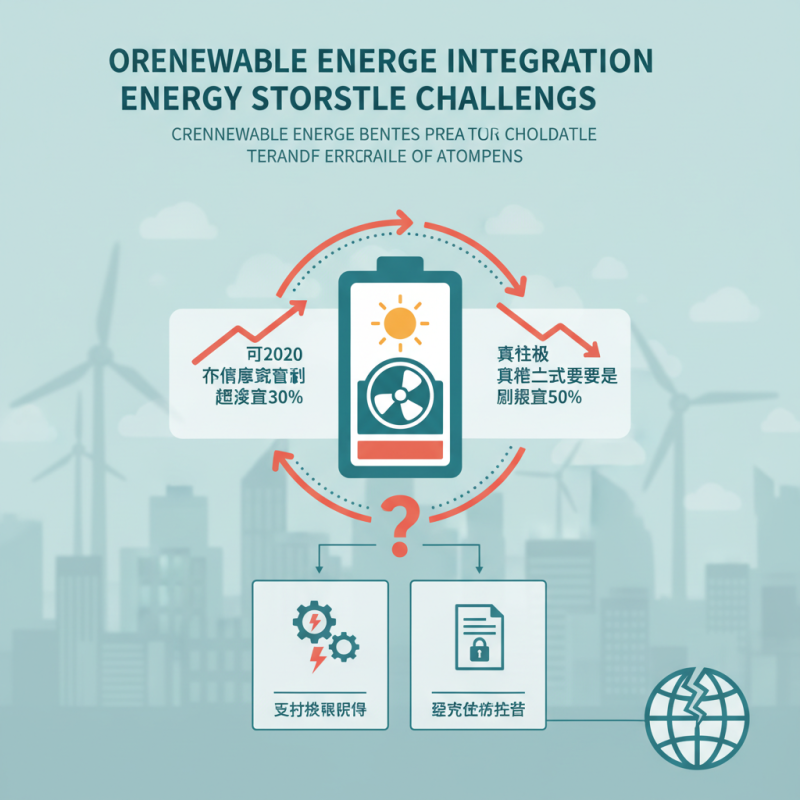
The integration of renewable energy sources, such as solar and wind, is transforming the energy landscape. However, this shift brings significant challenges. One of the most pressing issues is the "Energy Storage Challenges In Renewable Integration." According to a report by the International Energy Agency, energy storage capacity needs to expand by over 30% by 2030 to meet global demand effectively. Without adequate storage solutions, the instability of renewable sources can hinder their widespread adoption.

Current technologies struggle to provide the efficiency and scalability necessary for large-scale energy storage. For instance, lithium-ion batteries dominate the market but face limitations in cost and environmental impact. A study by BloombergNEF suggests that battery pricing must drop by at least 50% over the next decade to achieve effective grid parity. Thus, the financial and technical viability of energy storage solutions remains a critical concern.

Moreover, regulatory frameworks often lag behind technological advancements. This misalignment can stifle innovation and investment in energy storage infrastructure. The necessity for robust policies and strategic planning is evident. As we aim to integrate more renewables, these energy storage challenges must be addressed comprehensively. Failure to do so could jeopardize the global effort to transition to cleaner energy, underscoring the importance of tackling these issues today.
Why Are Energy Storage Challenges Crucial for Renewable Integration?

Challenges of Energy Storage in Renewable Energy Systems

Energy storage plays a pivotal role in the integration of renewable energy systems. Transitioning to renewables requires efficient storage to bridge supply and demand gaps. Solar and wind energy are intermittent by nature. Their availability does not always align with consumer needs. This mismatch necessitates reliable storage solutions.

Current energy storage technologies face several challenges. Battery performance, especially under varying environmental conditions, can be unpredictable. Recharge times can be lengthy. Additionally, the high costs of some storage solutions deter widespread adoption. Developing cost-effective, efficient systems remains a pressing issue within the industry.

Environmental impact is another critical consideration. Manufacturing and disposing of batteries can generate pollution. The reliance on rare minerals introduces ethical concerns. As we strive for cleaner energy, these factors must be addressed. Assessing trade-offs in energy storage solutions is essential for achieving sustainability goals. Embracing innovation and refining existing methods may provide pathways forward in this evolving landscape.

Importance of Energy Storage for Grid Stability and Reliability

Energy storage plays a pivotal role in integrating renewable energy sources into the grid. The variability of solar and wind energy presents challenges. These sources are not always available when demand peaks. Energy storage systems, like batteries and pumped hydro, can bridge this gap. They store excess energy when production is high and release it during shortages.

Grid stability largely depends on energy storage. Fluctuations in supply can lead to instability. A sudden decrease in power can cause blackouts. Energy storage mitigates this risk. It provides a buffer, ensuring a steady power supply. This improves reliability for homes and businesses alike.

While energy storage is vital, it is not without its challenges. Current technologies face issues like high costs and limited lifespan. Research into new materials and methods is ongoing. Policymakers must address these hurdles. Sustainable energy depends on finding effective storage solutions. As the world shifts to renewables, these challenges demand urgent attention.

Technological Innovations in Energy Storage Solutions

Energy storage solutions are critical for harnessing renewable energy effectively. As we shift towards more sustainable sources, technological innovations play a vital role. One area of focus is battery technology. Advances in lithium-ion batteries have improved energy density and charging speeds. However, these batteries also face challenges such as resource scarcity and recycling difficulties.

Another promising avenue is pumped hydro storage. It relies on elevation changes to store energy. While this method can provide substantial storage capacity, the geographical limitations and environmental concerns complicate its implementation. New materials, such as solid-state batteries, are emerging. They promise enhanced safety and efficiency, yet scalability remains a concern.

Developing hybrid systems is also gaining traction. These systems combine different storage methods for optimized energy management. Ensuring reliability in fluctuating energy supplies requires continuous innovation. Researchers are exploring new chemistry and designs. However, the cost-effectiveness of these technologies is still under review. Energy storage represents a complex interplay of opportunity and challenge. Balancing these aspects is crucial for the future of renewable energy integration.

Economic Impacts of Energy Storage on Renewable Energy Integration

Energy storage plays a pivotal role in the successful integration of renewable energy sources. According to the International Renewable Energy Agency (IRENA), efficient energy storage can increase renewables' contribution to the global energy mix by up to 40% by 2030. This is significant as renewable energy, such as solar and wind, has inherent variability. Without proper energy storage solutions, excess energy during peak production may go to waste.

The economic implications of energy storage are equally crucial. A report by the U.S. Department of Energy indicates that energy storage can lower electricity costs by up to 20% by enhancing grid reliability. This, in turn, can facilitate greater investment in renewable projects. However, there are still challenges. Current storage technologies like lithium-ion batteries can be expensive, with costs ranging from $300 to $1,000 per kilowatt-hour.

Addressing these challenges could also lead to job creation in the green technology sector. Yet, the market lacks sufficient infrastructure for widespread implementation. These factors highlight the need for ongoing innovation and regulation. As we confront these hurdles, we must reflect on how to drive improvements in energy storage solutions.

Economic Impacts of Energy Storage on Renewable Energy Integration

Energy Storage Technology Cost per kWh ($) Capacity (MWh) Cycle Life (Cycles) Efficiency (%) Environmental Impact
Lithium-ion 300 50 2000 90 Moderate
Flow Battery 400 100 10000 75 Low
Lead Acid 150 20 500 70 High
Sodium-Sulfur 200 150 3000 85 Moderate
Compressed Air 120 500 1500 70 Low

Environmental Considerations in Energy Storage Implementation

Energy storage plays a vital role in integrating renewable energy sources. However, its implementation raises significant environmental concerns. Battery production, a key component of energy storage, often involves mining for lithium, cobalt, and nickel. These processes can lead to deforestation and habitat destruction. A report from the International Energy Agency (IEA) indicates that lithium-ion batteries may require up to 75% more energy for production than fossil fuel alternatives.

Finding sustainable practices in energy storage is fundamental. Recycling programs can help reduce the environmental impact. The circular economy approach minimizes resource extraction and waste. Additionally, current research shows that battery recycling could recover up to 98% of valuable materials, yet only a small fraction of batteries are recycled today.

Tips: Use renewable energy for manufacturing processes. This practice can lower carbon footprints significantly. Consumers should be aware of environmentally friendly options. Community engagement in local energy policies can drive change. Effective energy storage solutions must prioritize not just efficiency but also sustainability. As we progress, balancing innovation with environmental responsibility remains a challenge.

FAQS

: Why is energy storage important for grid stability?

: Energy storage helps integrate renewable sources and provides a buffer against fluctuations in power supply.

How do energy storage systems work?

They store excess energy when production is high and release it during shortages. This maintains a steady power supply.

What are the challenges facing current energy storage technologies?

Current technologies are often costly and have limited lifespans, hindering their wider adoption.

How can energy storage impact electricity costs?

Efficient energy storage can lower electricity costs by improving grid reliability, potentially reducing expenses by up to 20%.

What environmental concerns are associated with battery production?

Mining for materials like lithium and cobalt can cause deforestation and habitat destruction, impacting ecosystems.

How can battery recycling benefit the environment?

Recycling can recover up to 98% of valuable materials, reducing resource extraction and minimizing waste.

What renewable energy practices can help in energy storage manufacturing?

Using renewable energy in manufacturing processes can significantly lower carbon footprints and promote sustainability.

What role does innovation play in energy storage solutions?

Continuous innovation is essential to address cost, efficiency, and environmental challenges in energy storage technologies.

Why is community engagement important in energy policies?

Local involvement can drive changes towards more sustainable and effective energy storage solutions, reflecting community needs.

What is a circular economy in the context of energy storage?

A circular economy minimizes waste and resource extraction by promoting recycling and sustainable practices in energy systems.

Conclusion

Energy Storage Challenges in Renewable Integration are becoming increasingly crucial as the world shifts towards more sustainable energy systems. The integration of renewable energy sources like wind and solar power is inherently intermittent, necessitating robust energy storage solutions to ensure grid stability and reliability. Addressing these challenges involves not only overcoming technical limitations but also understanding the economic impacts that energy storage systems can have on the broader adoption of renewable technologies. Furthermore, the environmental considerations associated with implementing energy storage solutions play a vital role in shaping policy decisions and public perception.

Technological innovations are pivotal in developing efficient and effective energy storage systems that can support renewable energy integration. These advancements not only enhance performance but also reduce costs, making renewable sources more viable. As the landscape of energy continues to evolve, overcoming the energy storage challenges in renewable integration remains essential for achieving a sustainable and reliable energy future.

Mason

Mason

Mason is a seasoned marketing professional with a deep expertise in the company's offerings and a passion for driving brand awareness. With a strong background in digital marketing strategies, he has an innate ability to connect with diverse audiences and effectively communicate product benefits.......