How to Choose the Best Industrial Battery Technology?

Time:2026-10-12 Author:Sophia
0%

Choosing the best industrial battery technology is no longer a simple chemistry comparison. It affects uptime, safety, maintenance, and total ownership cost. The IEA reported that global battery demand reached approximately 750 GWh in 2023, driven mainly by electric vehicles and expanding energy storage. This growth is accelerating industrial innovation, but it also creates more technical choices.

Battery Technology Developments In Industrial Applications now include lithium iron phosphate, nickel-manganese-cobalt, sodium-ion, lead-acid, and flow batteries. Each option behaves differently inside a warehouse forklift, telecom backup cabinet, or factory microgrid. Lithium iron phosphate can deliver strong cycle life and thermal stability. Lead-acid remains familiar and relatively inexpensive. Flow batteries may suit long-duration storage, though their larger footprint can be inconvenient. Details matter.

Professor Shirley Meng has emphasized, “There is no one-size-fits-all battery solution.” That principle should guide every purchasing decision. The U.S. Department of Energy also stresses evaluating safety, duration, efficiency, degradation, and lifecycle cost together. A battery that looks affordable per kilowatt-hour may require more cooling, replacements, or floor space. That is easy to underestimate. Field experience often exposes weaknesses that laboratory specifications miss. Buyers should request verified cycle data, warranty conditions, safety certifications, and performance results under realistic temperatures. No technology wins everywhere. Even current industry reports leave uncertainty around recycling capacity, raw-material volatility, and second-life economics. A careful assessment should acknowledge those gaps rather than hide them.
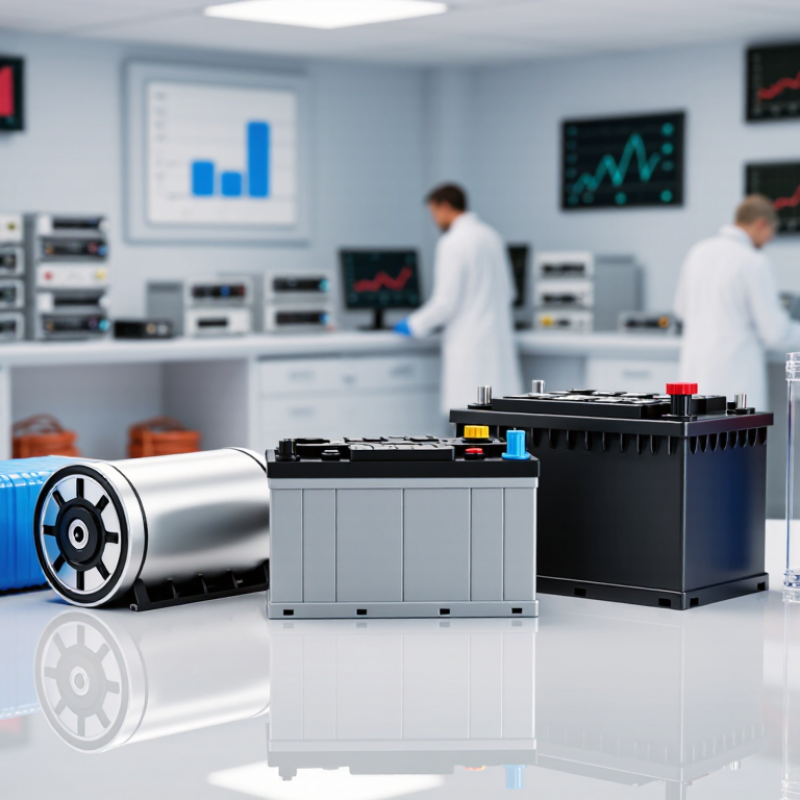
How to Choose the Best Industrial Battery Technology?

Understanding the Main Types of Industrial Battery Technologies

How to Choose the Best Industrial Battery Technology?

Industrial battery selection begins with the working conditions, not the battery label. A warehouse vehicle may need frequent charging, while backup equipment may remain idle for months. Lead-acid batteries remain practical for low-cost systems with regular maintenance. They are heavy, release heat during charging, and require controlled ventilation. Lithium-ion batteries provide higher energy density and faster charging. However, they need battery management systems and careful thermal monitoring.

Nickel-based batteries perform reliably across wide temperature ranges. This makes them useful in remote facilities and emergency power systems. Their higher cost may be justified where failure is expensive. Sodium-ion technology is developing for applications that value material availability and lower temperature performance. It is promising, but long-term field data remains limited. Flow batteries suit large stationary storage because their energy capacity can be expanded with larger electrolyte tanks. They are less suitable for compact mobile equipment.

Duty cycle matters more than peak capacity. Measure daily energy use, charging windows, ambient temperature, and available floor space. Check cycle life under real operating conditions, not only laboratory figures. A battery that looks inexpensive may demand more labor, replacement parts, and downtime. I have seen specifications appear impressive until cold starts exposed their weaknesses. That is an easy detail to overlook. Review safety controls, maintenance access, recycling procedures, and applicable electrical standards with qualified engineers. The best technology is the one that remains dependable after years of ordinary, imperfect operation.

Matching Battery Chemistry to Industrial Power Requirements

How to Choose the Best Industrial Battery Technology?

Matching chemistry to the load matters more than choosing the newest battery. Industrial power systems face different demands: short bursts, long discharge periods, frequent cycling, or emergency standby. Lithium-ion batteries usually offer high energy density and round-trip efficiency. Lead-acid systems remain practical for backup applications with limited cycling. Sodium-ion technology may reduce dependence on certain critical minerals, but its commercial performance is still developing. The best choice depends on duty cycle, operating temperature, available space, safety controls, and maintenance skills.

The International Energy Agency reported in Batteries and Secure Energy Transitions 2024 that global battery storage additions reached almost 42 GW in 2023. That growth reflects rising demand for fast-response energy systems.

However, growth does not remove technical trade-offs. A battery with excellent efficiency may need stronger thermal management. A cheaper system may require more floor space and replacement labor.

The U.S. Department of Energy also emphasizes evaluating storage by lifetime cost, performance, safety, and end-of-life management. The first estimate is rarely right.

Tips: Measure the real load for at least one operating cycle. Record peak power, average power, discharge duration, ambient temperature, and recharge time. Then compare usable kilowatt-hours, not only nameplate capacity. Ask for verified cycle-life data under your conditions. A spreadsheet can still lie. Include ventilation, fire protection, monitoring, and recycling costs. Recheck the model after six months of operation; actual production patterns may differ from the original design.

Comparing Performance, Cost, Safety, and Operating Life

Choosing industrial battery technology requires more than comparing nameplate capacity. Performance depends on discharge rates, temperature, charging frequency, and load variation. A battery may deliver excellent peak power but perform poorly during long, steady shifts. Review measured data from similar operating sites, not only laboratory figures. Check cycle efficiency, recharge time, and voltage stability under real loads. Small details matter.

Cost includes installation, cooling, monitoring, replacement labor, and downtime. A cheaper battery can become expensive if maintenance is frequent or usable capacity declines quickly. Safety deserves equal attention. Look for documented protection against overheating, overcharging, short circuits, and mechanical damage. The installation should include ventilation, isolation procedures, and trained technicians. No chemistry is perfect. One may offer longer operating life but require stricter temperature control. Another may tolerate rough conditions yet occupy more space. This trade-off is easy to underestimate.

Operating life should be judged by years, cycles, depth of discharge, and service conditions. Request warranty terms, test methods, and degradation data from qualified suppliers. Independent inspection records are more useful than confident sales claims. In practice, maintenance teams should record temperature, alarms, charge patterns, and capacity tests. These records reveal problems early. Even careful forecasts can be wrong. Production schedules change, and batteries age differently across sites. Leave room for monitoring, corrective maintenance, and a realistic replacement plan.

Evaluating Environmental Conditions and Maintenance Needs

How to Choose the Best Industrial Battery Technology?

Environmental conditions often determine whether an industrial battery performs reliably. Start by recording temperature, humidity, dust, vibration, and ventilation. A battery installed beside a furnace faces different risks than one in a cool warehouse. High temperatures can accelerate aging, while freezing conditions may reduce available capacity. Moisture and conductive dust can also increase corrosion or create electrical faults. Check the battery’s approved operating range, enclosure requirements, and charging limits before making a decision.

Tips: Inspect the site during its harshest season. Measure temperatures near the battery, not across the room. Plan access for cleaning, testing, and safe replacement. Do not trust assumptions.

Maintenance needs deserve equal attention. Flooded batteries may require watering, ventilation checks, and regular electrolyte inspections. Sealed systems can reduce routine labor, but they still need temperature monitoring and connection checks. Lithium-based systems usually include electronic protection, yet sensors and control equipment require inspection. A maintenance-free label is not a maintenance-free reality. Field teams sometimes focus on purchase cost and overlook service time. That mistake can disrupt production later. Also, maintenance records should include voltage trends, alarm events, cleaning dates, and unusual heat. A simple log can reveal declining performance early. However, no checklist replaces the manufacturer’s technical instructions or a qualified risk assessment.

Selecting the Best Battery Technology for Long-Term Value

Choosing industrial battery technology for long-term value requires more than comparing today’s purchase price. A system may operate through thousands of charge-discharge cycles. Its real cost includes installation, cooling, maintenance, downtime, replacement, and end-of-life handling. The International Energy Agency reported that global grid-scale battery additions reached about 42 GW in 2023, rising roughly 130% year on year. This growth shows stronger market confidence, but not every project needs the same chemistry.

Lithium iron phosphate often suits facilities requiring frequent cycling, stable thermal performance, and long service life. Nickel-based systems can offer higher energy density, which matters where floor space is limited. The 2024 Global Battery Price Survey reported an average lithium-ion pack price of 115 dollars per kilowatt-hour, down 20% from 2023. That figure is useful, but imperfect. It reflects battery packs, not the complete industrial system. Project owners should demand supplier-specific data on cycle life, usable capacity, warranty limits, and performance at low temperatures.

Look beyond the spreadsheet.

A sound evaluation models at least ten years of operation under real load patterns. It should test partial cycling, idle periods, heat exposure, and delayed maintenance. Safety records and independent certification also deserve attention. Recycling access is another long-term cost, especially as regulations evolve. The best technology may not have the lowest initial price. In some facilities, a cheaper battery becomes expensive after capacity fades faster than expected. That possibility is easy to underestimate. A transparent total-cost model, reviewed by an independent engineer, usually provides stronger evidence than sales projections.

FAQS

What should I compare when selecting an industrial battery?

Compare usable capacity, discharge rate, recharge time, efficiency, voltage stability, and cycle life. Nameplate capacity is not enough. Real loads matter.

How do operating conditions affect battery performance?

Temperature, humidity, dust, vibration, and ventilation can change performance significantly. High heat speeds aging. Freezing conditions can reduce available capacity. Measure conditions beside the battery, not across the room.

Which battery chemistry suits frequent cycling?

Lithium iron phosphate may suit facilities with frequent cycling and stable thermal performance. Nickel-based systems may help where floor space is limited. The best choice depends on load patterns and site conditions.

How can I calculate the battery’s real cost?

Include installation, cooling, monitoring, maintenance, replacement labor, downtime, and end-of-life handling. A low purchase price can become expensive later. Review at least ten years of expected operation.

What safety features should an industrial battery system include?

Look for protection against overheating, overcharging, short circuits, and mechanical damage. The site also needs ventilation and isolation procedures. Trained technicians matter. Safety assumptions can fail.

What maintenance does an industrial battery require?

Maintenance may include temperature checks, connection inspections, cleaning, alarm reviews, and capacity tests. Some systems need watering and electrolyte inspections. “Maintenance-free” does not mean inspection-free.

What information should suppliers provide?

Request cycle-life data, usable capacity, warranty limits, test methods, and low-temperature performance. Ask for records from similar operating sites. Confident claims are not enough.

How should battery performance be monitored over time?

Record temperatures, voltage trends, charge patterns, alarms, cleaning dates, and unusual heat. These records can reveal declining performance early. Keep a realistic replacement plan. Forecasts can still be wrong.

Conclusion

Choosing the best industrial battery technology begins with understanding the strengths and limitations of major chemistries, including lead-acid, lithium-based, nickel-based, and flow batteries. Each option offers different advantages in energy density, power delivery, charging speed, cycle life, upfront cost, and safety. The right choice should match the facility’s power demands, operating schedule, equipment requirements, and budget rather than relying on a single universal solution.

Battery Technology Developments In Industrial Applications continue to improve efficiency, monitoring, and reliability, but environmental conditions and maintenance needs remain essential considerations. Temperature, humidity, vibration, available space, ventilation, and service accessibility can significantly affect battery performance and operating life. By comparing total ownership costs, safety requirements, replacement intervals, environmental impact, and expected productivity, businesses can select a technology that delivers dependable power and long-term value. A well-planned evaluation helps reduce downtime, control operating expenses, and support consistent industrial performance.

Sophia

Sophia

Sophia is a dedicated marketing professional with an exceptional depth of knowledge about her company's products and services. With a keen understanding of market trends and customer needs, she crafts insightful blog posts that not only inform but also engage readers, enriching the company’s online......